The Effects Weather Has on Pool Equipment
Weather conditions impact pool equipment's functionality and lifespan. Learn how to prevent weather-related damage and extend equipment life.
Weather conditions can have a significant impact on the functionality and lifespan of pool equipment. From intense heat to heavy rain and freezing temperatures, changing weather patterns can cause wear, damage, and performance issues in key pool components.
Understanding how weather affects your pool system helps homeowners stay proactive with maintenance and avoid costly repairs.

How Weather Impacts Pool Equipment
The ever-changing weather can influence many parts of a pool system. Components such as pumps, heaters, filters, and plumbing are all exposed to environmental conditions that can gradually affect their performance.
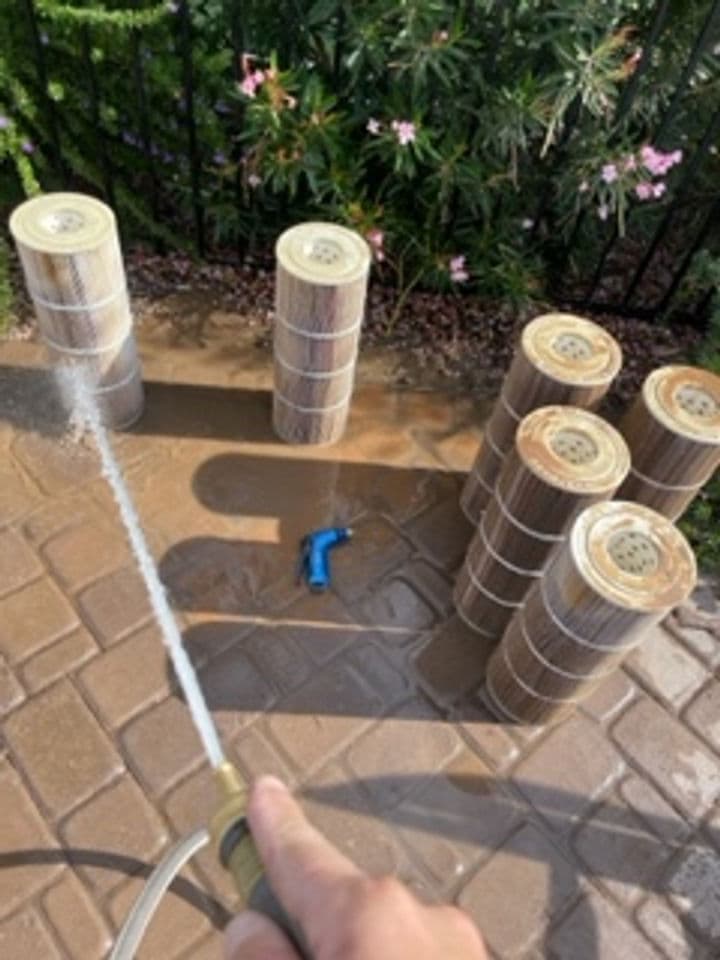
For example, pool filter maintenance becomes especially important during windy or rainy periods. Debris such as leaves, dirt, and small branches can quickly accumulate in the water and clog filters. When filters become blocked, water circulation is reduced, leading to poor water quality and additional strain on the system.
Harsh weather can also cause general wear and tear on pool equipment, making regular inspections and timely servicing essential.
Freezing Temperatures and Cold Weather Risks
In colder climates, freezing temperatures can create serious problems for pool systems. When water freezes inside pipes, pumps, or valves, it expands and can cause cracks, leaks, and structural damage.
Common cold-weather issues include:
Cracked plumbing lines
Damaged valves and seals
Pump system failures
Heater malfunctions
These issues often require pool pump repairs, swimming pool pump replacement, or plumbing repairs if not addressed quickly.
Taking preventative measures—such as winterizing your pool system—can help protect equipment from freezing damage.
Storms, Wind, and Debris Buildup
Storms and high winds can introduce large amounts of debris into your pool. Leaves, branches, and dirt can quickly fill skimmers and strain the filtration system.
Routine pool skimmer maintenance becomes critical after storms to keep debris from reaching the pump and filter system. If debris accumulates too heavily, it can lead to reduced water flow and increased stress on equipment.
Heavy rainfall can also affect pool plumbing systems by shifting soil around underground pipes, which may lead to leaks or plumbing damage.
Corrosion and Long-Term Weather Damage
Another common weather-related issue is corrosion caused by moisture and environmental exposure. Pool motors, valves, and other metal components may begin to rust over time if not properly maintained.
This can lead to:
Pool valve replacement
Pool motor repair
Reduced equipment efficiency
Premature equipment failure
Protecting equipment with proper covers and performing seasonal inspections can significantly reduce the risk of corrosion and damage.
Quality Equipment Matters
Using reliable equipment also plays a role in durability and performance. Many professional pool service providers rely on trusted brands such as Pentair and Hayward, known for their high-quality pool pumps, filtration systems, and automation equipment.
Investing in dependable products helps pool owners maintain a more efficient and long-lasting pool system.

Protecting Your Pool Equipment Year-Round
Weather is unavoidable, but proactive maintenance can help minimize its effects. Pool owners should schedule regular inspections, keep equipment clean, and protect systems during extreme seasonal changes.
By understanding how weather affects pool equipment and staying ahead of maintenance needs, pool owners can extend the life of their equipment, maintain water quality, and avoid costly repairs.