- Home
- Blog
- The Importance of Maintaining Chemical Balance in Your Pool and How It Affects Equipment Longevity
The Importance of Maintaining Chemical Balance in Your Pool and How It Affects Equipment Longevity
Learn how proper pool chemical balance extends equipment life and ensures a safe swimming environment. Protect your investment with maintenance tips.
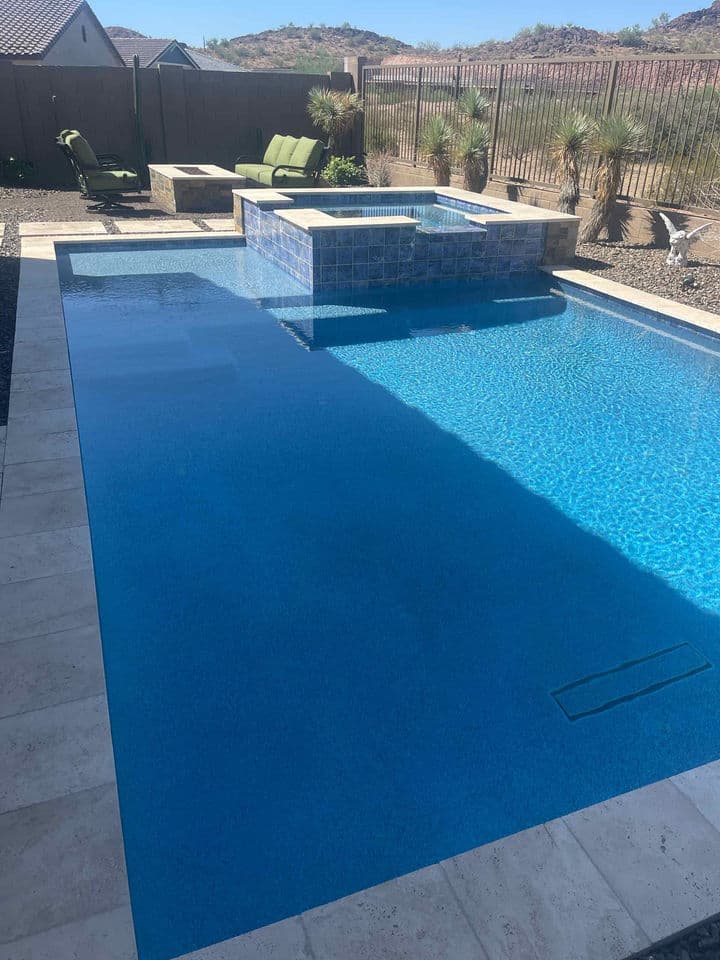
A sparkling, clean pool is more than just a beautiful feature in your backyard—it reflects consistent care and proper chemical management. Maintaining balanced pool chemistry is essential not only for safe swimming but also for protecting your pool equipment and extending its lifespan.
When chemical levels are not properly maintained, they can damage equipment, surfaces, and plumbing components, leading to costly repairs. Understanding how chemical balance affects your pool system can help you protect your investment and ensure a safe swimming environment.
Why Chemical Balance Matters
The chemistry of pool water directly affects nearly every part of your swimming experience. The key components of pool water chemistry include:
pH levels
Total alkalinity
Calcium hardness
Sanitizers such as chlorine or bromine
Properly balanced water helps maintain safe swimming conditions while protecting the pool’s liner, tiles, plumbing, and equipment.
Key Elements of Pool Water Chemistry
1. pH Balance
The ideal pH level for pool water typically ranges between 7.2 and 7.8.
If the pH level falls outside this range, several problems can occur:
Low pH (acidic water): Can corrode metal components such as ladders, heaters, pumps, and filters.
High pH: Can cause scaling and cloudy water, reducing filtration efficiency.
Imbalanced pH can also cause irritation to swimmers’ eyes and skin.
2. Total Alkalinity
Total alkalinity acts as a buffer that helps stabilize pH levels.
Low alkalinity: Causes water to become acidic, leading to corrosion of equipment and plumbing components.
High alkalinity: Can result in cloudy water and scale buildup that interferes with filtration and circulation.
Maintaining proper alkalinity helps keep your pool chemistry stable and easier to manage.
3. Calcium Hardness
Calcium hardness measures the amount of dissolved calcium in the water.
Low calcium levels: Make water corrosive, which can damage pool equipment and surfaces.
High calcium levels: Cause scale buildup on pool surfaces and inside equipment, leading to blockages and reduced efficiency.
Proper calcium levels protect both the pool structure and the mechanical components of your pool system.
4. Sanitizer Levels
Sanitizers such as chlorine or bromine are essential for killing bacteria and preventing algae growth.
Low sanitizer levels: Allow bacteria, algae, and contaminants to grow.
Excessive sanitizer levels: Can damage pool equipment and irritate skin and eyes.
Maintaining the correct sanitizer levels ensures water remains clean and safe for swimmers.
How Poor Chemical Maintenance Damages Pool Equipment
When pool chemistry becomes unbalanced, it can cause serious damage to your pool’s mechanical systems.
Corrosion of Metal Components
Acidic water caused by low pH or low alkalinity can corrode metal parts such as:
Pool ladders
Handrails
Heaters
Pump components
Over time, corrosion can weaken these structures and lead to leaks or equipment failure.
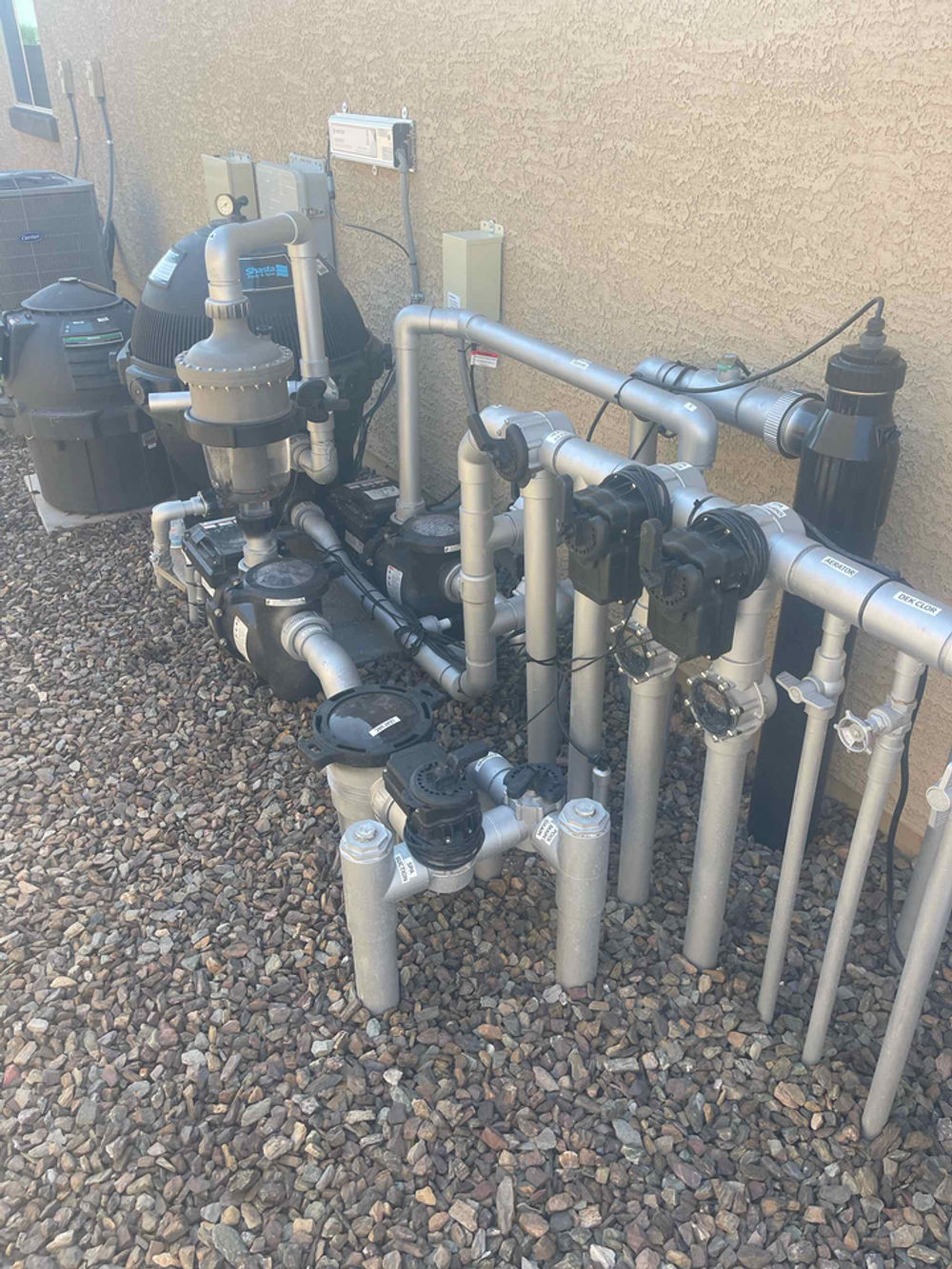
Scaling and Mineral Buildup
High calcium hardness or alkalinity can cause scale deposits to form inside pipes, heaters, and filtration systems.
This buildup can:
Reduce water circulation
Clog filters
Decrease pump efficiency
Damage heating elements
Scale accumulation can significantly shorten the lifespan of expensive pool equipment.
Filter Blockages
Improper chemical levels allow organic matter and contaminants to accumulate more easily in the water. This can clog the pool filter system, reducing filtration capacity and requiring more frequent cleaning or replacement.
Damage to Pool Surfaces and Liners
Unbalanced water chemistry can also affect the pool’s appearance and structural materials. Pool liners may fade, wrinkle, or become brittle, while grout and tile surfaces can deteriorate over time.
Increased Wear on Pumps and Motors
When mineral buildup or debris restricts water flow, pumps and motors must work harder to maintain circulation. This additional strain increases wear and tear, which can lead to premature equipment failure.
Quality Equipment Matters
Using reliable equipment also plays an important role in maintaining a healthy pool system. Many professional pool service companies rely on trusted brands such as Pentair and Hayward, known for producing durable pumps, filters, heaters, and automation systems designed for long-term performance.
Tips for Maintaining Balanced Pool Chemistry
Keeping your pool chemistry balanced doesn’t have to be complicated. Following a few simple practices can help prevent major problems.
Test your water regularly
Use reliable testing kits to monitor pH, alkalinity, calcium hardness, and sanitizer levels. Testing at least once per week during peak swimming season is recommended.
Adjust chemicals gradually
Make small adjustments when balancing chemicals and retest after each change to prevent sudden shifts in water chemistry.
Monitor environmental factors
Heavy pool use, weather changes, and debris can affect water balance. Adjust your maintenance routine accordingly.
Consider professional pool maintenance
If managing pool chemistry becomes overwhelming, professional pool technicians can help maintain proper chemical balance and ensure your equipment remains protected.
Conclusion
Maintaining proper chemical balance is essential for a clean, safe, and enjoyable swimming experience. More importantly, balanced pool chemistry helps protect your pool equipment from corrosion, scaling, and premature wear.
Regular testing and adjustments may take a little time, but they can save you significant money by preventing equipment damage and extending the life of your pool system.
At Invictus Pool Service, we understand the importance of precise pool maintenance. Our professional pool care services ensure your water chemistry stays perfectly balanced, helping protect your pool equipment and giving you a worry-free swimming experience all season long.