How Monsoon Storms Affect Residential Pools and the Additional Cleaning Time Required
Monsoon storms disrupt pool balance, requiring extra cleaning time. Learn how to restore safe, clear water after intense weather conditions.
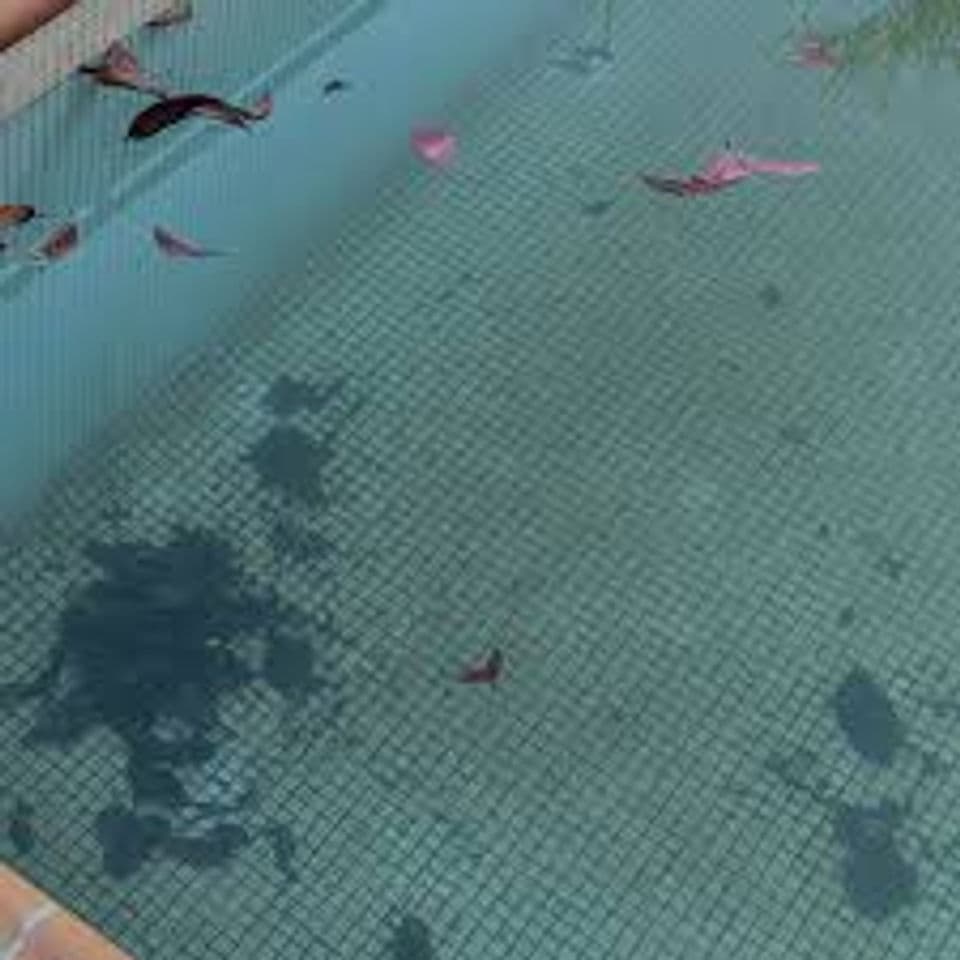
Monsoon storms can have a major impact on residential swimming pools, often turning a peaceful backyard oasis into a demanding maintenance project. Heavy rain, strong winds, and airborne debris can quickly disrupt a pool’s water balance and cleanliness.
Understanding how monsoon weather affects your pool can help homeowners prepare for the extra maintenance required to restore safe, clear water.
How Monsoon Storms Disrupt Pool Water
Monsoon storms bring intense rainfall that can significantly affect a pool’s chemical balance. Large amounts of rainwater dilute important chemicals—especially chlorine—which plays a key role in keeping pool water sanitized and safe.
When chlorine levels drop, the water becomes more vulnerable to:
Bacteria growth
Algae formation
Cloudy or murky water
In addition to chemical imbalance, strong winds can blow leaves, dirt, dust, and other debris directly into the pool. This debris can clog skimmers, overwhelm filters, and quickly make the pool look dirty.
The Pool Cleaning Process After a Storm
Restoring a pool after a monsoon storm requires several steps and can take significantly longer than normal maintenance.
1. Removing Debris
The first step is removing visible debris using a pool net or skimmer. Leaves, branches, and dirt must be cleared from the surface and bottom of the pool before other cleaning can begin.
Depending on the severity of the storm, this step alone can take several hours.
2. Cleaning the Filtration System
Once debris is removed, the pool’s filtration system must be inspected and cleaned. This may include:
Emptying skimmer baskets
Cleaning pump baskets
Backwashing the filter system
A clean filter ensures the system can effectively remove smaller particles still suspended in the water.
3. Rebalancing Water Chemistry
After a storm, testing and restoring proper water chemistry is essential. Pool owners need to:
Test pH levels
Adjust chlorine levels
Rebalance alkalinity
This process prevents algae growth and restores the water’s clarity and safety.
Increased Maintenance Time After Storms
Under normal conditions, maintaining a residential pool may take one to two hours per week. However, after a monsoon storm, the cleaning and restoration process can take five hours or more, depending on:
The intensity of the storm
The amount of debris in the pool
The condition of the pool equipment
Homeowners may also face additional costs for chemicals, replacement parts, or equipment repairs if the storm caused damage.
The Role of Quality Pool Equipment
Reliable pool equipment can help pools recover faster after severe weather. Many professional pool service companies rely on trusted brands such as Pentair and Hayward, known for their durable pumps, filtration systems, and pool equipment designed to handle demanding conditions.
High-quality equipment improves filtration efficiency and helps maintain better water circulation after storms.
When to Call a Professional Pool Service
In some cases, the amount of debris or damage caused by a monsoon storm may be too overwhelming for homeowners to handle alone. Professional pool service technicians can quickly restore water quality, inspect equipment, and ensure the pool is safe to use again.
When monsoon storms disrupt your pool, Invictus Pool Service is ready to help clean and restore your backyard oasis. With professional maintenance and expert care, your pool can return to a crystal-clear, sparkling condition so you can enjoy it again as soon as the weather clears.